
Wearable technology is big business these days, with many of us using
gadgets to help us 'measure our health'. So what are some of the pros
and cons when it comes to wearables?
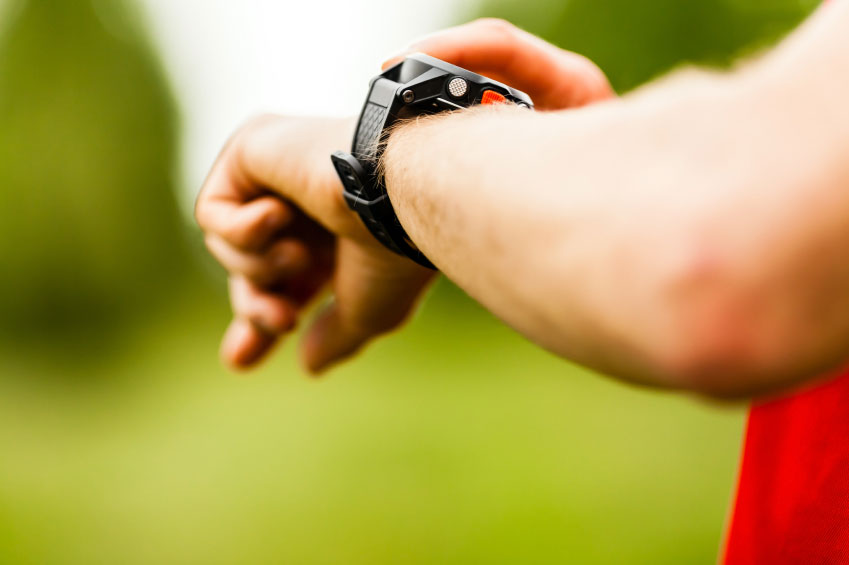
Even if you don't own a piece of wearable technology yourself, chances are you've seen someone using one of these devices.
Worn
on the wrist or on clothing, wearable devices can track your physical
activity, energy expenditure and even tell you about how you're
sleeping.
These devices are the latest technology to take the
world by storm, with predictions that there will be more 68.1 million of
them sold by the end of this year.
By 2018 the wearables industry is projected to be worth a whopping $50
billion.If you believe the hype, these devices herald the beginning of a
new era in health and fitness, which will see us all motivated to
achieve better health by constantly monitoring key measures of our own
health and fitness.
However, some argue these are just another fad
for cashed-up early adopters of technology and are unlikely to help
people make lasting lifestyle changes. Others say these items are
redundant as many apps allow you to use your smart phone as a wearable –
and most of us are already used to carrying these around all day.
There's also the view that the people who are using this technology are not those who need them the most.
We
look at the pros and cons of wearables, and whether these devices are
likely to get you off the couch and moving on a regular basis.
Will wearables change behaviour?
We live in a world obsessed with recording information, but as experts recently wrote in the Journal of the American Medical Association the gap between recording information and changing behaviour is substantial.
It's
naäve to think that a bunch of numbers will lead to long-term
motivation and a change in behaviour, says Professor David Bishop, a
sports scientist from Victoria University in Melbourne.
After all,
we know from studying human behaviour that it is incredibly hard to
change a person's motivation, and ultimately their behaviour, he says.
This
is a major challenge wearable devices need to overcome if they are
going to make any meaningful difference to health on an individual and
population level.
"The numbers by themselves aren't going to be
motivators for everyone. It's how those numbers are used and linked in
to different motivation strategies," says Bishop.
Bishop argues
the key will be the way the device can take the information it is fed,
and use it in different ways depending on the individual's personality.
It's the apps that a device interfaces with that are really important, says Bishop.
"Once
you have, not just the device, but the connection with different apps
that will help use the information to potentially motivate people in
different ways… that's where you'll start to see a lot more value.
"It's then that we'll start seeing devices that live up to the promise," he says.
Are wearables just another fad?
As
is often the case with a new 'toy', wearables devices could be destined
to end up in the bottom of your odds and ends draw before too long.
A survey conducted early last year by a US technology think tank found that more than half of American adults who owned a wearable device no longer used it. A third of these devices had been abandoned within the first six months of purchase.
While there are no official statistics for Australia, Bishop says it's likely to be a similar story here.
But, as he points out, this is hardly a new phenomenon for the fitness industry.
For
instance, people often sign up to the gym only to cancel their
membership after a couple of months as they haven't actually worked out
on a regular basis like they planned.
"When it comes to fitness,
people are always looking for motivation, whether it's a personal
trainer or a gym membership. [Wearable devices] are just another way of
people looking for that external motivation to exercise," he says.
Professor
Adrian Bauman, a professor in Public Health at the University of
Sydney, agrees that wearable technology is unlikely to be immune to what
is essentially human nature.
People are likely to abandon their
devices because they are disinterested and it doesn't reinforce their
exercise goals or because they've moved on to a different type of
technology, he says.
Fashion Accessories
Bauman is also concerned wearables will become mere fashion accessories that many of us chose to throw away.
These days if you're seen wearing a device it has a certain cache, just like it is to have the latest smart phone, says Bauman.
That's not necessarily a bad thing, he says, as it could encourage thousands of people to buy one.
The
downside is that it's usually the next model that will do a whole bunch
of things, rendering this year's model immediately outdated.
"This transient technology phenomenon is probably not going to benefit population health," he says.
Are they for everyone?
As
well wearable devices have been criticized for appealing mainly to
those in our society who need them the least. In particular, those with a
higher discretionary income who may perhaps already be keen to change
their behaviour, says Bauman.
"Will it apply to the other 80 to 90
per cent of inactive people? Or will they just buy it as a fashion
statement, which is part of our conspicuous consumption in society, and
not really use it for very long?" he asks.
We need to do research to understand which groups of society could benefit from these devices, says Bauman.
"It
would be lovely to put these [devices] on old people and young people,
people across all regional areas, and sociodemographic strata".
According to Bishop, wearable devices will most likely go the way of all technology and will get better and cheaper with time.
It's then that we'll see more and more people adopting them, he says.
Article Source

No comments:
Post a Comment